Friday, January 28, 2011
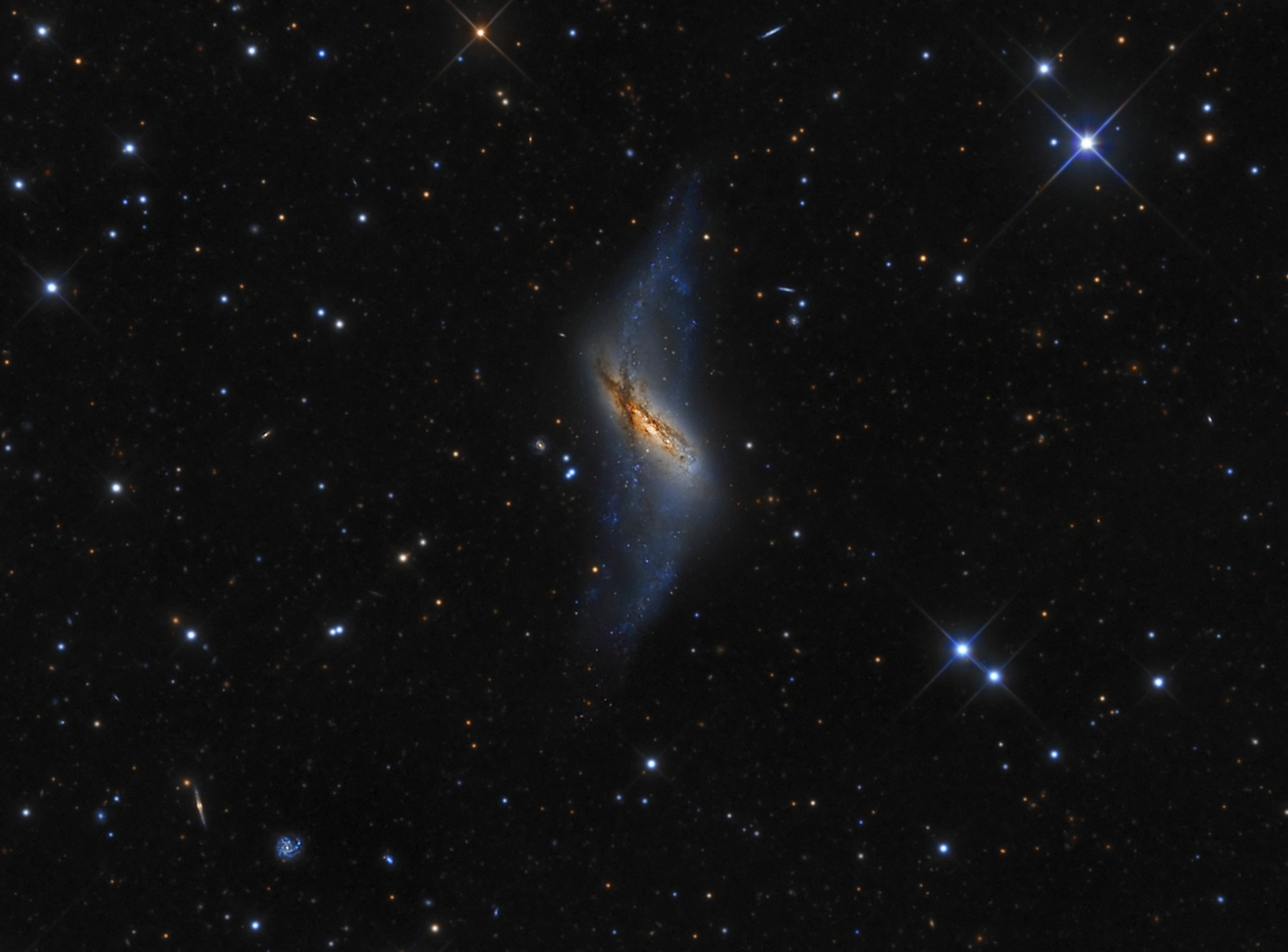
APOD 3.2

Friday, January 21, 2011
APOD 3.1
Wednesday, January 19, 2011
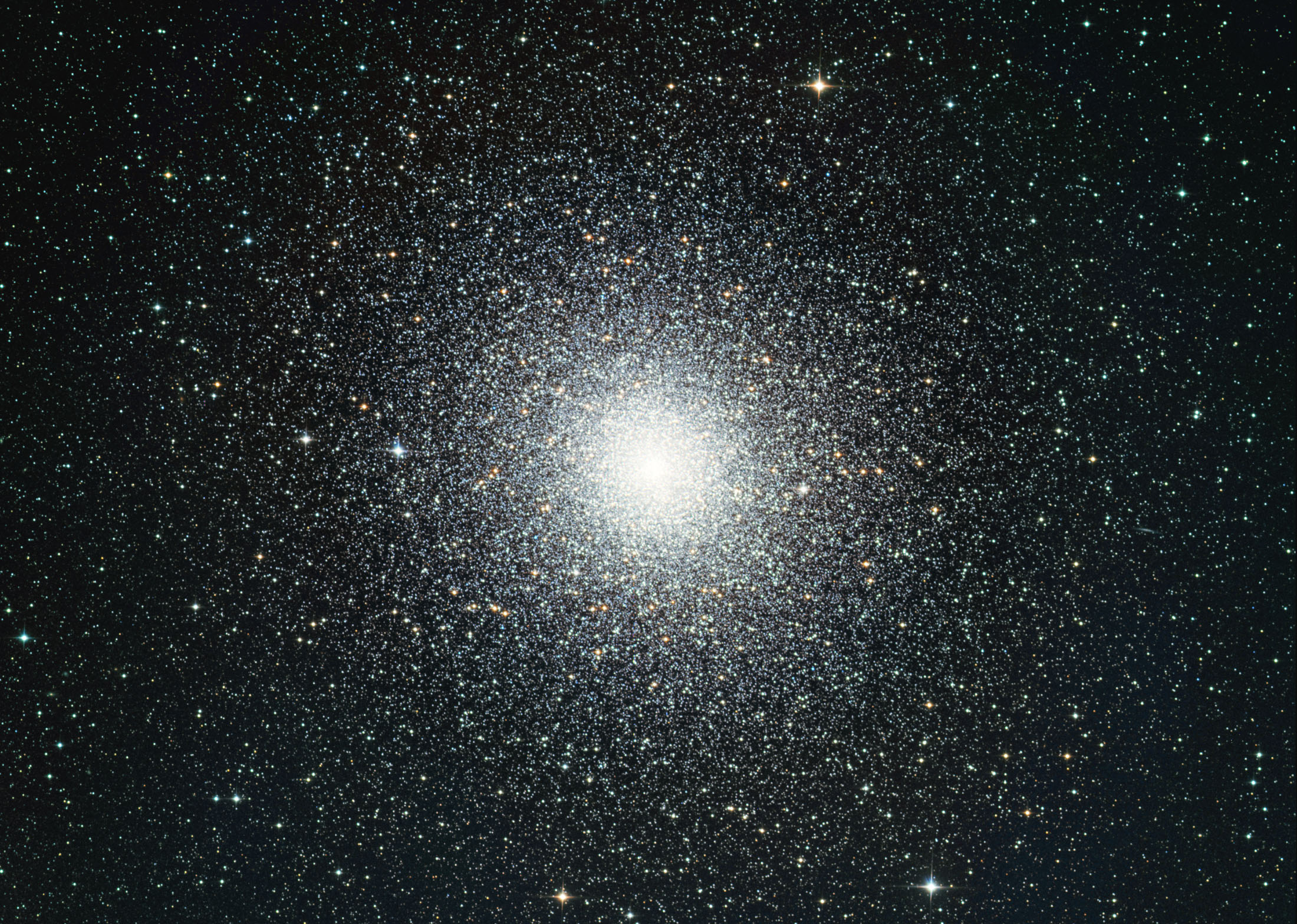
Lunar Eclipse Observation
I came to Pin View on December 20th, 2010 to view the lunar eclipse. I got there around 1 A.M. so I guess it was technically the 21st. I stayed and watched the whole thing. It was amazing to be able to see an entire cycle of the moon , which usually takes a moth, all in just a few hours.
Friday, January 14, 2011
APOD 2.8
Wednesday, January 12, 2011
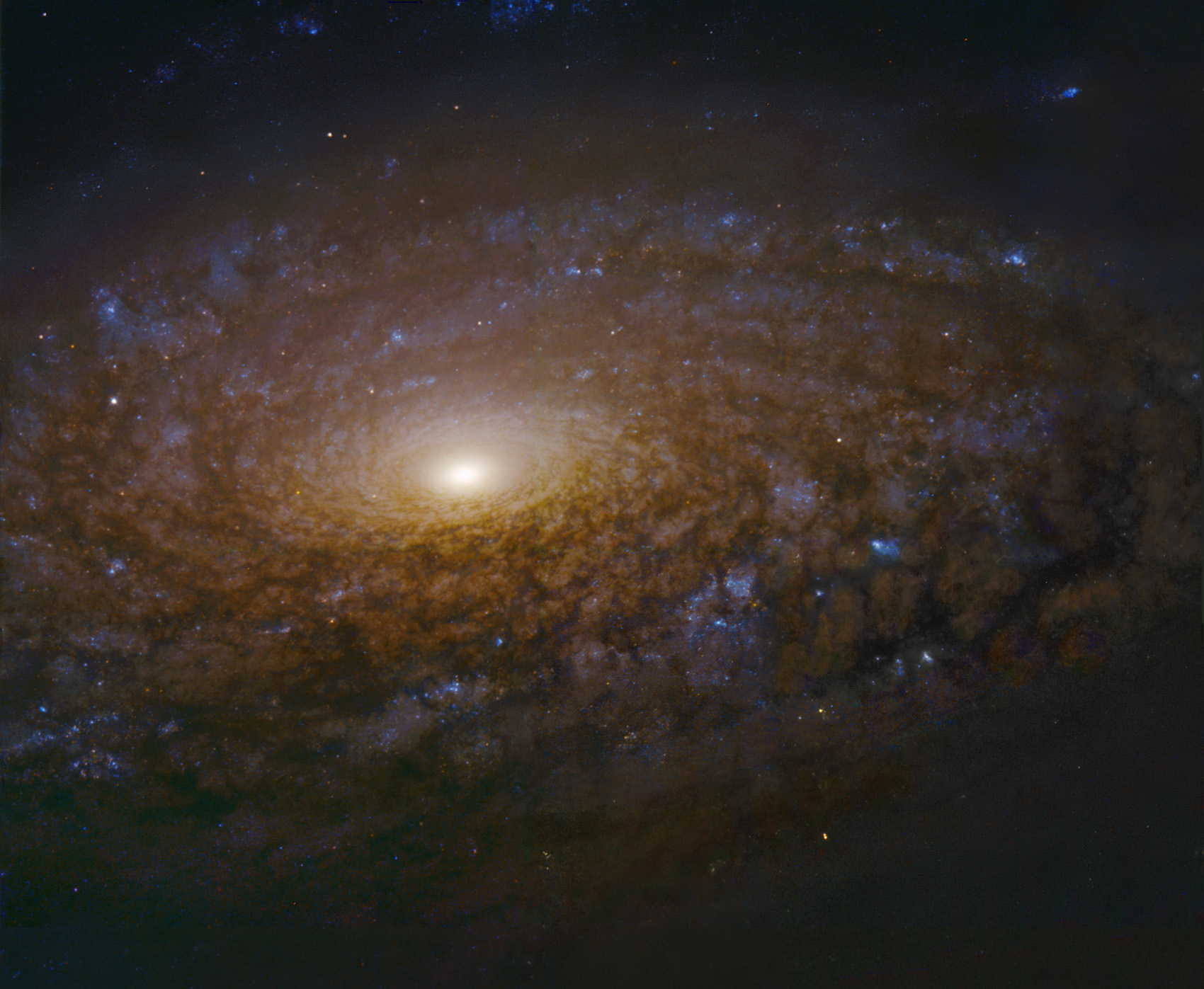
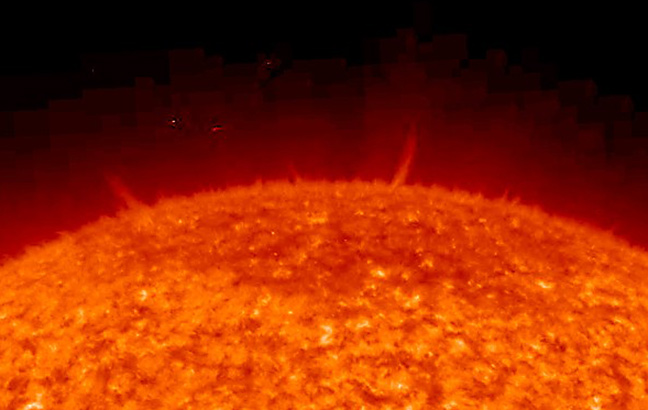
The Sun Class Activity
http://sohowww.nascom.nasa.gov/pickoftheweek/old/09aug2007/304spicules.jpg
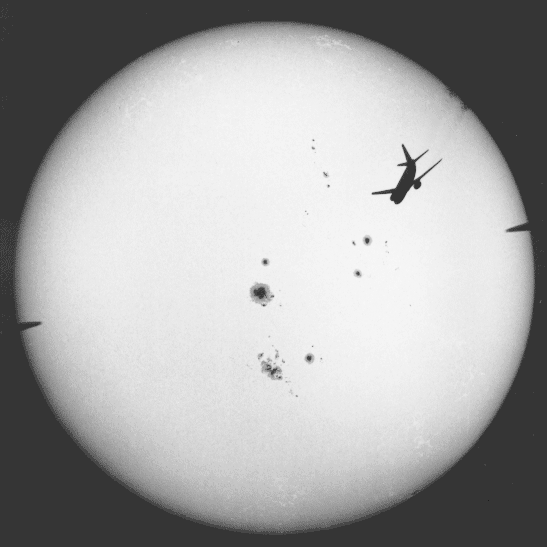
http://www.tilmari.pp.fi/sunspot.jpg
http://physics.usc.edu/solar/images/910726.large.gif
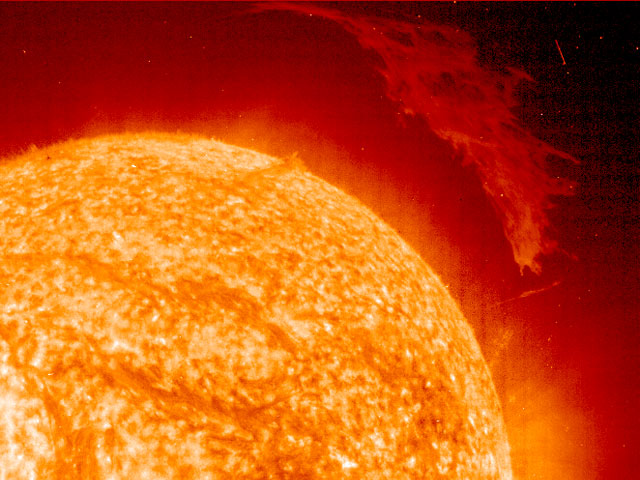
http://apod.nasa.gov/apod/image/0403/sunprom2_soho.jpg
http://www.sustainabilityninja.com/wp-content/uploads/2009/07/solar-eclipse.jpg
http://s424.photobucket.com/albums/pp327/beyond50/Video%20Clips/?action=view¤t=Clip-SunandEarthRotating.mp4
http://www.tilmari.pp.fi/sunspot.jpg

http://physics.usc.edu/solar/images/910726.large.gif
http://apod.nasa.gov/apod/image/0403/sunprom2_soho.jpg
http://www.sustainabilityninja.com/wp-content/uploads/2009/07/solar-eclipse.jpg

http://s424.photobucket.com/albums/pp327/beyond50/Video%20Clips/?action=view¤t=Clip-SunandEarthRotating.mp4
Monday, January 10, 2011
Quarter 2 Astronomer Biography
Dictionary of Scientific Biography. C. Gillispie, editor. Charles Scribner's Son, publisher. 1981
Laplace presented his famous nebular hypothesis in 1796 in Exposition du systeme du monde, which looked upon the solar system as originating from the contracting and cooling of a large, flattened, and slowly rotating cloud of incandescent gas. Exposition du systeme du monde was written as a non-mathematical introduction to Laplace 's most important work Traité de Mécanique Céleste whose first volume appeared three years later. Laplace had discovered the invariability of planetary mean motions. In 1786 he had proved that the eccentricities and inclinations of planetary orbits to each other always remain small, constant, and self-correcting. These and many other of his earlier results formed the basis for his second work. Laplace became Count of the Empire in 1806 and he was named a marquis in 1817 after the restoration of the Bourbons. Laplace continued to apply his ideas of physics to other problems such as capillary action (1806-07), double refraction (1809), the velocity of sound (1816), the theory of heat, in particular the shape and rotation of the cooling Earth (1817-1820), and elastic fluids (1821). Laplace died on the morning of March 5th, 1827.
Quarter Two Astronomer Biography
Pierre Simon Laplace was born in Beumont-en-Auge , Normandy , France Beaumont-en-Auge Caen University University of Caen , Laplace realized that he was gifted in the area of mathematics and how much he loved the subject. This realization is accredited largely to two mathematics teachers at Caen
Laplace chose to leave Caen without his degree and went to Paris Paris Paris Leipzig Laplace was elected an adjoint in the Academie des Sciences. By the time he was elected, he had already read thirteen papers to the Academie in less than three years. In 1780, Laplace and the chemist Lavoisier applied quantitative methods to a comparison of living and nonliving systems, with the aid of an ice calorimeter that they had invented, showed respiration to be a form of combustion. In 1784, Laplace was appointed as the examiner at the Royal Artillery Corps. Laplace was promoted to a senior position in the Academie des Sciences in 1785. Laplace marries Marie-Charlotte de Courty de Romanges on May 15th, 1788. They had two children and their son, Charles-Emile, who was born in 1789, went on to a career in the military. Before the 1793 Reign of Terror, Laplace and his wife and two children left Paris and lived 50 km southeast of Paris Paris
Friday, January 7, 2011
APOD 2.7
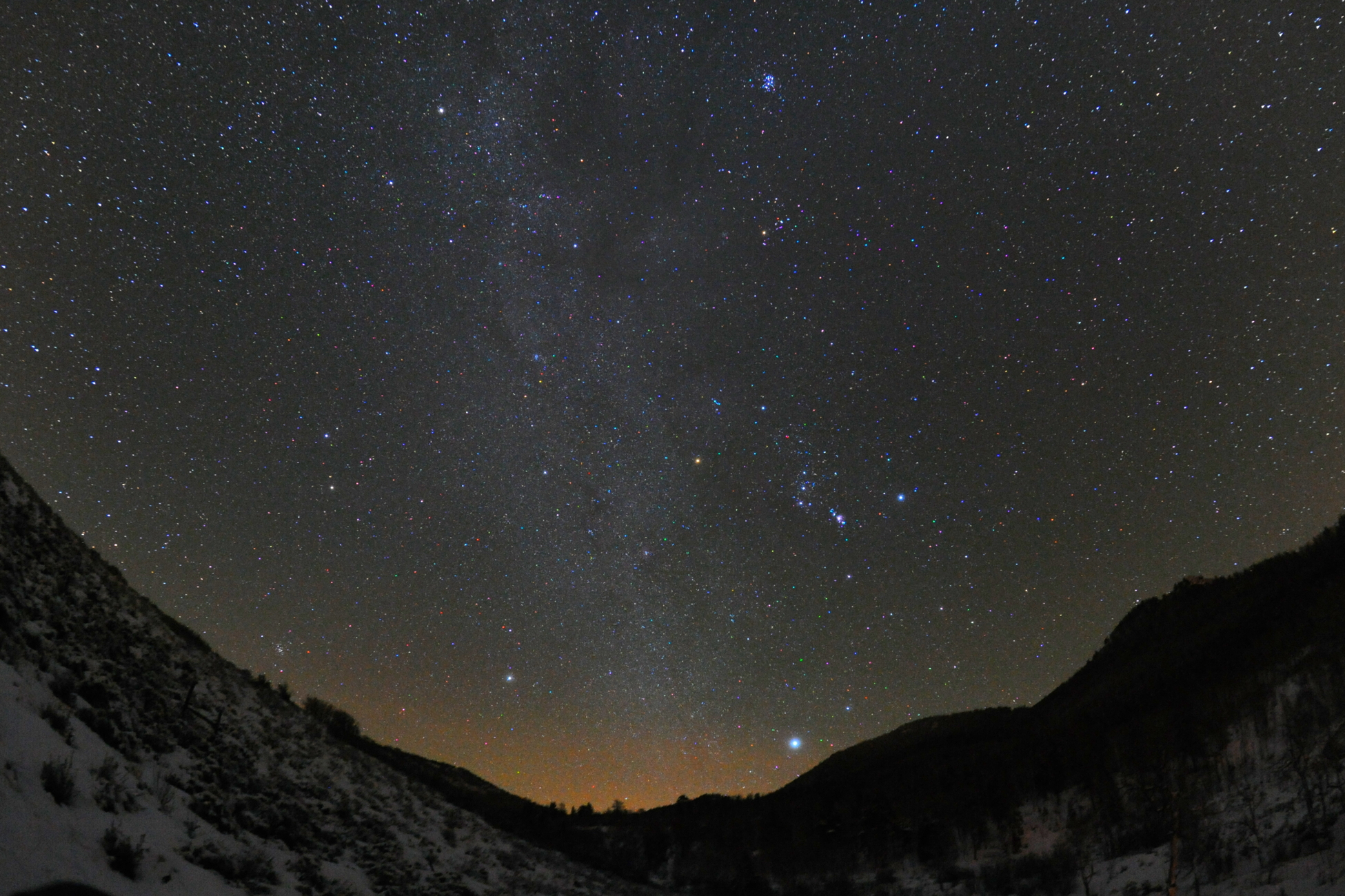
This is a photo of the Winter Hexagon. They say if you can find Orion in the sky, you will probably be able to locate the Winter Hexagon. The Winter Hexagon is composed of some of the brightest stars that are visible. They combine to form a large and easily spotted "pattern" in the winter sky located in Earth's northern hemisphere. These stars can usually be seen even in the inconducive to star watching bright night skies of a big city. This photo was taken in Stagecoach, Colorado. There are six stars in the Winter Hexagon: Aldebaran, Capella, Castor (and Pollux), Procyon, Rigel, and Sirius. In this photo, the band of the Milky Way Galaxy runs through the center of the Winter Hexagon, and the Pleiades open star cluster can be seen just above. The Winter Hexagon "asterism" takes over many constellations including Orion.
Thursday, January 6, 2011
Quarter 2 Astronomer Biography Sources
Ball, Rouse. "Pierre Simon Laplace (1749 - 1827)." TCD School of Mathematics. Web. 04 Jan. 2011. <http://www.maths.tcd.ie/pub/HistMath/People/Laplace/RouseBall/RB_Laplace.html.>
Robertson, E.F. "Laplace Biography." MacTutor History of Mathematics. School of Mathematics and Statistics. Web. 06 Jan. 2011. <http://www-history.mcs.st-and.ac.uk/Biographies/Laplace.html>.
"Pierre-Simon Laplace." NNDB: Tracking the Entire World. Soylent Communications. Web. 04 Jan. 2011. <http://www.nndb.com/people/871/000031778/>.
Subscribe to:
Comments (Atom)